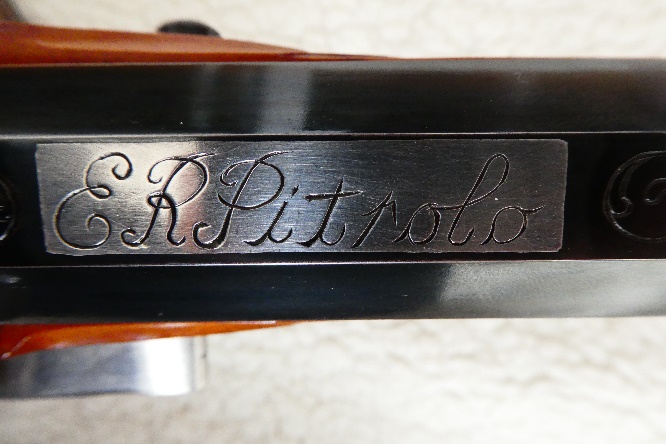
The Craft
A traditional longrifle was a tool; today, it is valued as usable art.
Here is how one comes together.
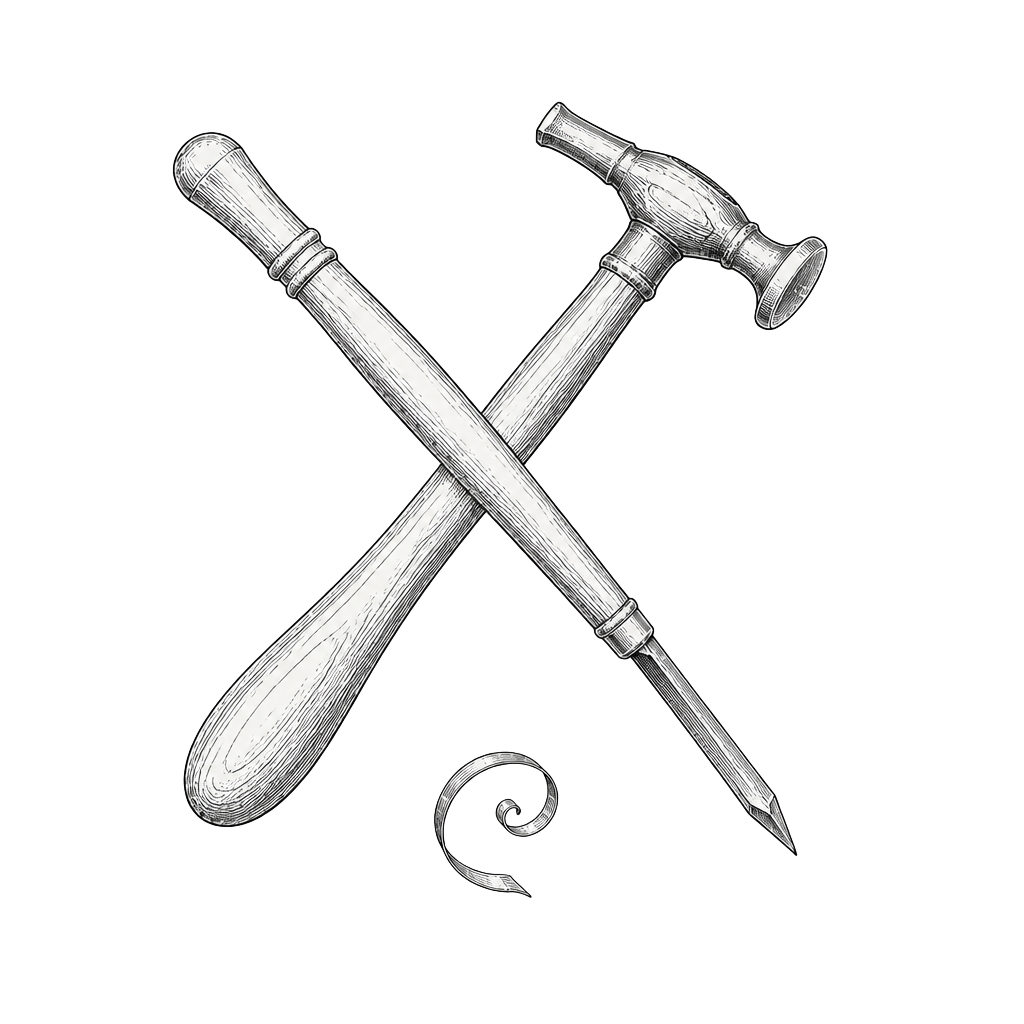
Chapter I
Sound foundations
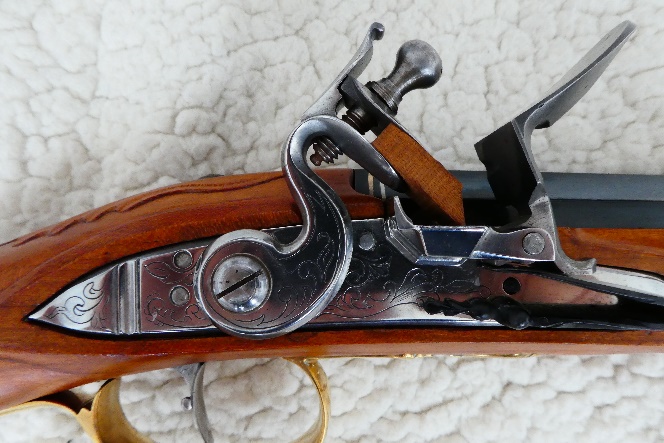
Critical components — the barrel, lock and period-correct furniture such as trigger guards, butt plates and side plates — are sourced from established American makers.
This keeps the finished firearm safe and reliable, and focuses the handwork where it matters most: fit, architecture and decoration.
Chapter II
The handwork
This is where each piece becomes unique. Depending on the design, a build may include:
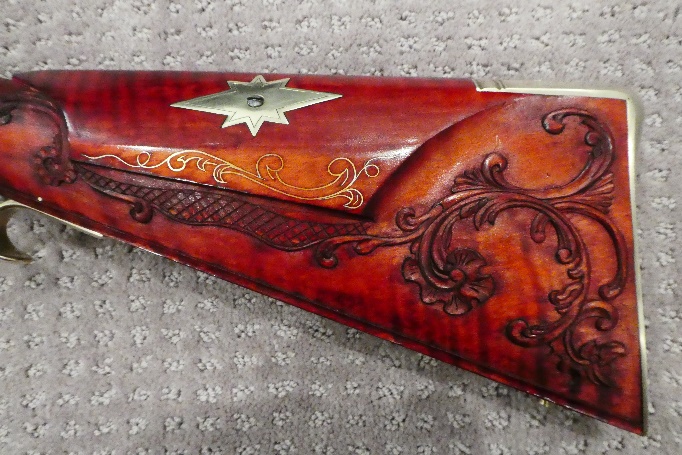
Raised carving
Sculpted relief around the wrist, cheek and forestock.
Fine metal inlay
Fine brass, German silver or sterling silver ribbon wire, set flush into the stock.
Engraving
Hand-cut detail on furniture, inlays and lock plates.
Architecture & finishing
Period-correct shaping and traditional stock finishing.
Chapter III
Built around you
Every commission starts with a conversation about the period, region and style you are after — a Lancaster flintlock, a colonial fowler, or something drawn from your own reference.
From there the design is developed to suit both the history and the individual client.